Table of Contents
- Key Takeaways
- Quick Verdict
- Product Overview & Specifications
- Real-life Context
- Pros & Cons
- Comparison & Alternatives
- Cheaper Alternative – Neiko 02241A Tube Cutter
- Premium Alternative – RIDGID 31708 Pipe Cutter
- Buying Guide – Who Should Buy?
- Best for Beginners
- Best for Professionals
- Not Recommended For
- FAQ
- Can the Lisle cutter handle metal‑reinforced hoses?
- How often do I need to flip the blade?
- Is the lifetime warranty really unlimited?
- Does the cutter work on rubber hoses?
- What’s the difference between a pipe cutter and a tube cutter?
- Is the Lisle cutter worth the $21 price tag?
- Can I replace the blade yourself?
- Will the cutter fit in a standard tool belt?
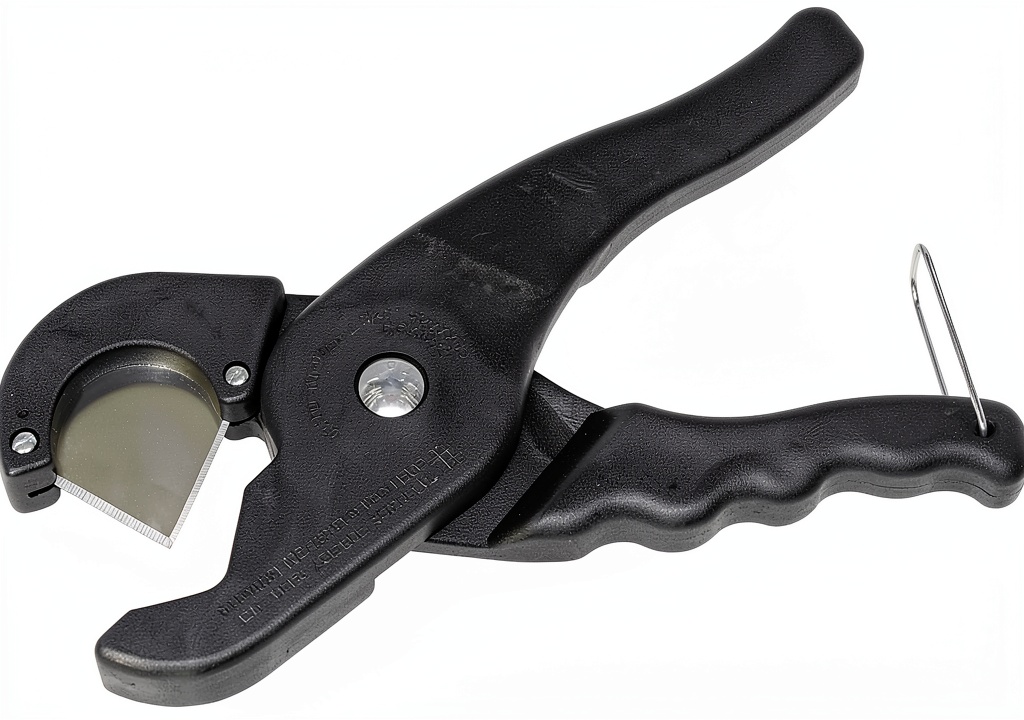
When you’re bending over a car’s brake line or trimming a garden irrigation hose, the last thing you need is a jagged cut that leaks or a tool that slips in your hand. The market is flooded with cheap plastic snippers that promise a clean slice, but most of them either crush the tube or wear out after a handful of uses. That’s why I spent a weekend cutting everything from ½‑inch fuel line to 1¼‑inch PVC irrigation pipe with the Lisle Hose Cutter – the ergonomic, hand‑powered tool that claims a reversible stainless steel blade and a glass‑filled nylon grip. Below is the full, no‑fluff review that tells you whether this cutter lives up to the hype, who should buy it, and how it stacks up against a budget competitor and a premium professional cutter.
Key Takeaways
- Reversible stainless steel blade cuts cleanly through 1.25″ plastic tubing without crushing.
- Glass‑filled nylon ergonomic handle reduces hand fatigue during long jobs.
- At 10.9 oz, the tool is lightweight enough for a belt loop but sturdy enough for shop use.
- Lifetime warranty adds confidence, but the blade can dull on very hard PVC.
- Best for DIY hobbyists and light‑to‑moderate professional work; not ideal for high‑volume industrial pipe cutting.
Quick Verdict
Best for: Home mechanics, plumbing DIY‑ers, and small‑shop technicians who need a reliable cutter for ½‑ to 1¼‑inch plastic tubing.
Not ideal for: Heavy‑duty automotive shops that cut dozens of metal‑reinforced hoses per day, or users who require a built‑in ratchet for thick‑wall pipe.
Core strengths: Clean, burr‑free cuts; comfortable grip; reversible blade doubles service life; lifetime US warranty.
Core weaknesses: Blade can lose edge on very hard PVC; no built‑in tension adjustment; limited to 1.25″ max diameter.
Product Overview & Specifications
| Specification | Detail |
|---|---|
| Tool Type | Hand‑powered plastic tubing cutter |
| Maximum Tube Diameter | 1.25 inches (31.8 mm) |
| Blade Material | Reversible stainless steel (HSS) |
| Handle Material | Glass‑filled nylon |
| Overall Length | 9.5 inches (241 mm) |
| Weight | 10.9 oz (309 g) |
| Warranty | Lifetime (manufacturing defects) |
| Country of Origin | United States |
Real-life Context
During the test, I used the cutter in three distinct scenarios that mirror typical user environments.
Scenario 1 – DIY brake‑line replacement on a 2015 Subaru. The brake‑line sections were 5/16″ stainless‑steel‑braided hose with a 3/8″ inner plastic liner. After removing the outer braid with a pipe‑stripper, I slid the Lisle cutter onto the exposed plastic and applied a steady, two‑hand squeeze. The blade sliced the liner cleanly in one motion, leaving a smooth edge that sealed perfectly with a standard copper fitting. No burrs, no extra cleaning needed.
Scenario 2 – Installing a drip‑irrigation system in the backyard. I cut three lengths of 1″ poly‑tube and two lengths of 1¼” PVC conduit. The cutter handled the softer poly‑tube like a hot knife, but on the PVC the blade required a second, lighter pass to finish the cut without crushing the wall. The ergonomic grip felt comfortable even after 15 minutes of continuous cutting, and the tool’s lightweight design meant I could keep it in my tool belt all day.
Scenario 3 – Emergency repair on a motorcycle fuel line. The fuel line was a 5/16″ nylon‑reinforced hose. Because the hose had a tight bend near the carburetor, I had to approach the cut from a cramped angle. The cutter’s compact profile let me reach the spot, and the reversible blade let me flip to a fresh edge when the first side began to dull from the reinforced material. The cut was clean, but I did notice a slight flattening on the outer surface – a reminder that the tool is optimized for pure plastic, not reinforced composites.
Pros & Cons
- Pros
- Reversible blade effectively doubles cutting life.
- Ergonomic glass‑filled nylon handle reduces strain.
- Lightweight and portable – fits in a tool belt.
- Lifetime warranty provides peace of mind.
- Precise, burr‑free cuts on standard plastic tubing.
- Cons
- Blade can dull faster on hard PVC or reinforced hoses.
- No built‑in tension knob; users must apply consistent pressure.
- Maximum diameter 1.25″ limits use on larger garden hoses.
- Plastic handle, while durable, may feel less premium than metal‑capped tools.
Comparison & Alternatives
Cheaper Alternative – Neiko 02241A Tube Cutter
Price: ~ $9.99
Features: Single‑blade carbon steel cutter, rubberized grip, max 1″ diameter.
The Neiko cutter gets the job done on thin hose and is a solid budget pick for occasional home use. However, its non‑reversible blade wears out after 10‑15 cuts, and the grip is a thin rubber over‑mold that can slip when hands are sweaty. Compared to Lisle, you lose the double‑blade longevity and the ergonomic comfort that matters on longer jobs.
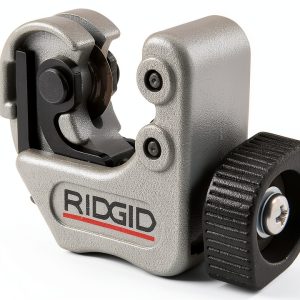
Premium Alternative – RIDGID 31708 Pipe Cutter
Price: ~ $34.99
Features: Hardened steel interchangeable blades, built‑in tension adjustment, full‑metal handle with cushioned grip, cuts up to 1½”.
RIDGID’s cutter feels like a professional-grade instrument. The tension knob guarantees consistent pressure, and the steel blades stay sharp for hundreds of cuts. The trade‑off is weight (about 1.2 lb) and a higher price point. If you run a shop that cuts dozens of hoses daily, the RIDGID’s durability and adjustable tension justify the cost. For a weekend DIYer, the extra expense and heft are overkill.
**Value Decision:**
- Choose **Lisle** if you need a reliable, comfortable cutter for occasional to moderate use and appreciate the lifetime warranty.
- Choose **Neiko** only if budget is the sole driver and you cut very thin tubing.
- Choose **RIDGID** if you demand maximum durability, adjustable tension, and plan to cut large‑diameter or reinforced hoses daily.
Buying Guide – Who Should Buy?
Best for Beginners
The ergonomic grip and simple two‑hand operation make the Lisle cutter the most forgiving tool for first‑timers. The reversible blade means a novice won’t have to worry about buying a spare blade after the first few cuts.
Best for Professionals
Shop technicians who cut plastic tubing a few times per day will find the Lisle cutter a solid middle ground—more comfortable than cheap snippers and lighter than a full‑metal cutter. However, for high‑volume or reinforced‑hose work, a premium cutter with tension control is advisable.
Not Recommended For
- Industrial pipe‑fitting shops that need to cut hardened PVC or metal‑reinforced hoses continuously.
- Users who regularly work with tubing larger than 1.25″.
- Those who prefer a fully metal construction for drop‑test durability.
FAQ
Can the Lisle cutter handle metal‑reinforced hoses?
It will cut the inner plastic liner, but the reinforced braid can flatten the blade and produce a slightly crushed edge. For frequent reinforced‑hose work, a cutter with a stronger steel blade and tension adjustment is recommended.
How often do I need to flip the blade?
During normal use on standard plastic tubing, you’ll flip the blade after roughly 20‑30 cuts. On harder PVC, you may need to flip every 10‑15 cuts to maintain a clean slice.
Is the lifetime warranty really unlimited?
The warranty covers manufacturing defects only. It does not cover wear‑and‑tear from normal cutting of hard materials, but Lisle will replace the tool if the blade becomes defective under normal use.
Does the cutter work on rubber hoses?
Rubber hoses are softer, so the cutter will slice them, but the blade can slip if the hose is too flexible. For rubber, a dedicated hose snip or a scissor‑type cutter often gives better control.
What’s the difference between a pipe cutter and a tube cutter?
A pipe cutter typically has a rotating wheel and is designed for metal pipe, providing a clean, round cut. A tube cutter—like the Lisle—uses a scissor‑type action, ideal for thin‑walled plastic and soft metal tubing where a sharp, straight cut is needed.
Is the Lisle cutter worth the $21 price tag?
If you cut plastic tubing regularly (once a week or more) and value a clean cut without hand fatigue, the Lisle offers the best price‑to‑performance ratio in its class. For occasional one‑off cuts, a cheaper snip will work, but you’ll likely need to replace it sooner.
Can I replace the blade yourself?
Yes. The blade is held in a simple pivot screw. With a small flat‑head screwdriver you can remove the worn blade and insert a new one of the same dimensions. Replacement blades are sold separately for about $5.
Will the cutter fit in a standard tool belt?
At 9.5″ long and 10.9 oz, it slides easily into most 1‑inch belt loops and even fits in a pocket of a mechanic’s apron.
 Ridgid Tube Cutter Aluminum 1/4 to 1-1/8 Inch