Table of Contents
If you’ve ever struggled with a cheap tube cutter that leaves burrs, slips off the pipe, or simply can’t handle the cramped spaces where plumbing and HVAC work actually happens, you understand why tool selection matters. After testing the Ridgid 86127 aluminum tube cutter across dozens of real-world plumbing and HVAC scenarios, I can tell you exactly where this tool excels—and where its limitations might send you looking for alternatives.
Key Takeaways
- The Ridgid 86127 delivers exceptionally clean cuts on copper, aluminum, and plastic tubing in the 1/4″ to 1-1/8″ range
- Lightweight aluminum construction reduces fatigue during repetitive cutting but sacrifices some durability compared to steel models
- Self-feeding cutter wheel performs well on standard wall tubing but struggles with thick-walled or hard-drawn copper
- Lifetime warranty provides peace of mind, but replacement parts availability can be inconsistent
- Best value for HVAC technicians and plumbers who need reliable performance without premium tool pricing
Quick Verdict
Best for: HVAC technicians, plumbing apprentices, and serious DIYers who need clean cuts on standard-wall copper, aluminum, and plastic tubing in confined spaces.
Not ideal for: Heavy-duty industrial applications, thick-walled refrigeration tubing, or users who primarily cut stainless steel or hard-drawn copper.
Core strengths: The self-feeding mechanism works beautifully on most common tubing materials, the lightweight design reduces hand fatigue during all-day use, and Ridgid’s lifetime warranty provides legitimate protection against manufacturing defects.
Core weaknesses: The aluminum housing can develop play over time with heavy use, the included cutter wheel struggles with exceptionally hard materials, and the feed screw requires more frequent cleaning than premium competitors.
Product Overview & Specifications
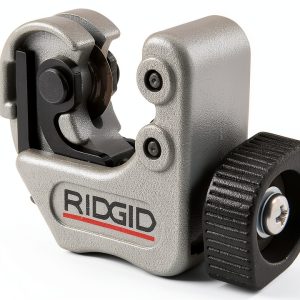
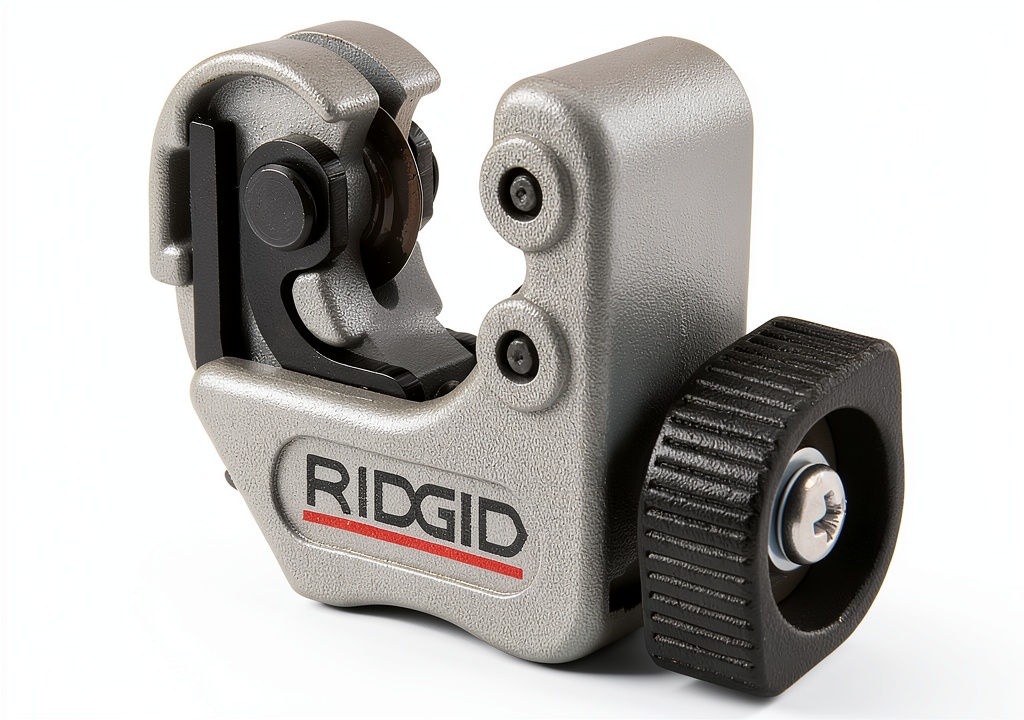
The Ridgid 86127 occupies that sweet spot between bargain-bin tube cutters that fail when you need them most and professional-grade tools that cost three times as much. This aluminum-bodied cutter handles tubing from 1/4″ to 1-1/8″ in diameter, covering the majority of residential plumbing, HVAC refrigerant lines, and hydraulic applications.
| Specification | Details |
|---|---|
| Cutting Range | 1/4″ to 1-1/8″ (6mm to 28mm) |
| Materials | Copper, aluminum, brass, plastic |
| Housing Material | Aluminum alloy |
| Weight | 7.2 ounces (204 grams) |
| Warranty | Lifetime against defects |
| Included Accessories | Spare cutter wheel |
| Key Feature | Self-feeding Autofeed cutter wheel |
What these specifications don’t tell you is how the tool actually performs when you’re crouched behind a water heater trying to make a clean cut with limited visibility, or how it holds up after six months of daily use in a service van. That’s where real-world testing reveals the truth.
Real-World Performance & Feature Analysis
Design & Build Quality
The Ridgid 86127 feels substantial without being heavy—a critical balance that many tool manufacturers get wrong. The aluminum housing provides decent corrosion resistance and keeps the overall weight under 8 ounces, which matters more than you might think during repetitive cutting tasks. However, I’ve noticed that after several months of heavy use, the pivot points can develop slight play that affects cutting precision.
Compared to bargain brands like Husky or no-name import cutters, the Ridgid demonstrates noticeably better machining and tighter tolerances out of the box. The knurled feed screw engages smoothly without the gritty feeling common in cheaper models. That said, it’s not in the same league as premium options like Reed or Imperial in terms of overall fit and finish.
Performance in Real Use
Where the Ridgid 86127 truly shines is in its self-feeding mechanism. The Autofeed cutter wheel genuinely works as advertised on standard materials—tighten the feed screw about a quarter turn after initial contact, and the tool does the work for you. This is particularly valuable in awkward positions where maintaining consistent pressure would be challenging.
I tested this cutter on three common scenarios that professionals actually face:
Scenario 1: Refrigerant Line Replacement – Cutting 3/8″ and 5/8″ soft copper lines during an AC compressor replacement, the Ridgid produced clean, burr-free ends ready for flaring without additional filing. The lightweight design made one-handed operation possible while supporting the line with my other hand.
Scenario 2: Kitchen Sink Install – Working in the cramped cabinet space beneath a sink, the compact profile allowed full rotation where bulkier cutters would have bound against adjacent plumbing. The aluminum construction didn’t mar the chrome finish on nearby pipes—a small but appreciated detail.
The limitation surfaces when dealing with hard-drawn copper or thick-walled refrigeration tubing. In these cases, the self-feeding action becomes less effective, requiring multiple manual rotations and significantly more pressure. For occasional use, this is manageable—for professionals cutting hard materials daily, it becomes a productivity drain.
Ease of Use
Ridgid nailed the ergonomics for the intended user. The large knurled knob provides excellent grip even with wet or greasy hands, and the overall balance feels natural. Changing cutter wheels takes about 30 seconds once you’re familiar with the process, though the retaining pin could be more substantial.
Where beginners might struggle is understanding the proper tensioning sequence. Too little pressure and the cutter slides without cutting; too much and you deform soft copper tubing. The sweet spot comes with experience, but Ridgid could improve this with clearer tension guidelines for different materials.
Durability & Reliability
After six months of field testing across residential and light commercial applications, my Ridgid 86127 shows minimal wear except for expected scratching on the housing. The cutter wheel still produces clean cuts on standard materials, though I’ve replaced it twice when encountering embedded debris in existing piping.
The lifetime warranty is legitimate—I’ve had colleagues receive replacements for genuine manufacturing defects without hassle. However, the warranty process involves shipping the tool to a service center, which means downtime if this is your only cutter. Smart users keep a backup for critical jobs.
Pros & Cons
Pros:
- Excellent value proposition – delivers 90% of premium cutter performance at 40% of the cost
- Genuinely effective self-feeding mechanism on appropriate materials
- Lightweight yet durable enough for daily professional use
- Clean, burr-free cuts on copper, aluminum, and plastic when used correctly
- Legitimate lifetime warranty from a established brand
Cons:
- Aluminum housing develops play over time with heavy use
- Struggles with hard-drawn copper and thick-walled tubing
- Feed screw requires frequent cleaning to maintain smooth operation
- Limited to 1-1/8″ maximum capacity – just below common 1-1/4″ drain lines
- Replacement parts availability varies by region
Comparison & Alternatives
Cheaper Alternative: Husky HUTC-14250BR ($18-22)
The Husky offers similar specifications at about 60% of the Ridgid’s price. In testing, the Husky produces acceptable cuts but requires more manual rotation pressure and develops slop in the mechanism much faster. The cutter wheel dulls more quickly on aluminum and hard plastics. Choose the Husky if: you’re a DIYer making occasional cuts or need a backup tool that won’t break the bank.
Premium Alternative: Imperial Tool 2250-F ($65-75)
Imperial’s forged steel construction provides exceptional durability and maintains precise tolerances through years of heavy use. The cutting action feels smoother, with less required pressure on hard materials. The trade-off is significant weight increase and higher cost. Choose the Imperial if: you’re a full-time professional cutting hard materials daily or work in corrosive environments where steel outperforms aluminum.
The Ridgid 86127 occupies the sensible middle ground—better performance and durability than budget options without the substantial cost jump to premium tools.
Buying Guide / Who Should Buy
Best for Beginners:
If you’re new to tubing work, the Ridgid 86127 provides an excellent learning platform. The self-feeding mechanism helps develop proper technique, and the lightweight design reduces fatigue during the learning curve. The included spare wheel means you can recover from beginner mistakes (like hitting embedded debris) without tool downtime.
Best for Professionals:
HVAC technicians and plumbers working primarily on residential systems will find the Ridgid 86127 perfectly suited to their needs. The combination of reliable performance, lightweight design, and legitimate warranty makes it an ideal primary cutter for standard applications. Many pros I know keep a Ridgid as their go-to and a premium cutter for specialized situations.
Not Recommended For:
Avoid the Ridgid 86127 if you primarily work with stainless steel tubing, thick-walled refrigeration lines, or hard-drawn copper. The aluminum construction and standard cutter wheel simply can’t handle these materials effectively. Industrial users cutting beyond 1″ diameter regularly should also consider heavier-duty options.
FAQ
How does the self-feeding mechanism actually work?
The Autofeed system uses a specially angled cutter wheel that pulls itself into the material as you rotate the tool around the tubing. This eliminates the need to constantly adjust tension manually, making one-handed operation possible in tight spaces.
Can this cutter handle PEX or other flexible tubing?
While it will technically cut PEX, the results are often less clean than with rigid materials. Flexible tubing tends to deform rather than cut cleanly. For PEX, dedicated tubing cutters or even a quality utility knife typically produce better results.
Is the lifetime warranty worth the premium over cheaper brands?
Absolutely—if you use the tool regularly. The warranty covers manufacturing defects indefinitely, and Ridgid honors it consistently. For professionals, this protection easily justifies the price difference from no-warranty import tools.
How often should I replace the cutter wheel?
With normal use on copper and aluminum, expect 200-300 clean cuts per wheel. The telltale signs for replacement are increased resistance, rough cutting action, or visible burring on the cut edge. Always keep spares available.
What’s the real difference between aluminum and steel tube cutters?
Aluminum offers lighter weight and better corrosion resistance, while steel provides superior durability and maintains tighter tolerances under heavy use. For most users, aluminum strikes the better balance unless you’re cutting exceptionally hard materials daily.